The cost of security guard service is not one number, because “security guard service” describes everything from a mobile patrol that checks a lot twice a night to a dedicated armed officer posted around the clock. Cost varies with what you are actually buying, which is why any quote worth trusting is built from your property’s real requirements rather than a rate card. This guide explains the factors that move the price, so you can read a quote and know exactly why it says what it says.
Quick Answer: Security guard service cost depends on five things: how many coverage hours you need, whether officers are armed or unarmed, how complex your site is, whether you use mobile patrol or a standing guard, and how long and consistent the engagement is. There is no flat rate. Americal Patrol charges no setup fees and quotes only after a free on-site assessment.
How Much Does Security Guard Service Cost?
There is no honest single price for security guard service, because the cost is driven by your coverage hours, the officer type, your site’s complexity, the coverage model, and the length of the engagement. A property that needs two overnight patrol passes costs far less than one needing a dedicated officer around the clock, so a real number requires a look at your specific site.
Everyone who calls about security wants to know what it costs, and it is a fair question. What follows are the factors that actually move a quote, in the order they usually matter, so you can build a realistic picture before anyone walks your property. Our companion piece on security patrol vs standing guard goes deeper on the single biggest structural choice behind the price.
Here are the five factors at a glance before we take each in turn.
| Factor | What moves it | Example |
|---|---|---|
| Coverage hours | How many hours of on-site or patrol coverage the property actually needs | A few overnight patrol passes versus an officer on site around the clock |
| Armed vs unarmed officers | Extra licensing, training, supervision, and insurance that armed posts carry | An unarmed officer at a retail center versus an armed post at a cash-handling site |
| Site complexity | Ground to cover, number of access points, and documentation required | A single-entrance office suite versus a multi-building industrial yard |
| Standing guard vs mobile patrol | Whether an officer is committed to one property or shares a route across several | A dedicated lobby post versus a patrol vehicle covering several nearby sites |
| Contract length and consistency | How steady and predictable the schedule is over time | An ongoing monthly post versus a same-day fire watch or one-night event |
Coverage Hours
The biggest driver, by far, is how many hours of coverage you need. Security labor is priced by time, so a property that needs a few overnight patrol passes costs far less than one that needs an officer on site sixteen or twenty-four hours a day. Security is a labor business first. The U.S. Bureau of Labor Statistics reports that about 1,272,400 people work as security guards nationally, at a median wage of $38,370 a year, and that labor, not equipment or overhead, is the single largest line behind any quote you receive.
Coverage hours are also where the most money is either saved or wasted. Many properties do not need round-the-clock presence; they need coverage concentrated in the windows when they are actually exposed. Cost varies with how tightly those hours are matched to real risk. A good security company will help you cover the hours that matter rather than selling you a full schedule you do not need. Whether the site is a retail center that empties at 9 p.m. or an office park dark on weekends, the schedule should follow the exposure, a principle our officers apply across the Camarillo security guards service area and beyond.
Armed vs Unarmed Officers
Armed officers cost more than unarmed officers, and for good reason. An armed assignment requires additional state licensing, more training and requalification, tighter supervision, and higher insurance coverage. Those requirements are built into the price.
That does not mean armed is a premium upgrade you should reach for by default. For most commercial, retail, and residential properties, unarmed officers are both the correct choice and the more economical one. Cost varies with the risk profile of the site, and paying for armed coverage a property does not need is one of the most common ways owners overspend. We break the decision down in detail in our guide to armed vs unarmed security guards, and both options are covered under our licensed security guards.
Site Complexity
Not all properties take the same effort to protect. A single small building with one entrance is straightforward. A multi-building campus, a sprawling industrial yard, a gated community with several access points, or a site with complex access control and reporting requirements all demand more from an officer and more from the company supervising the account.
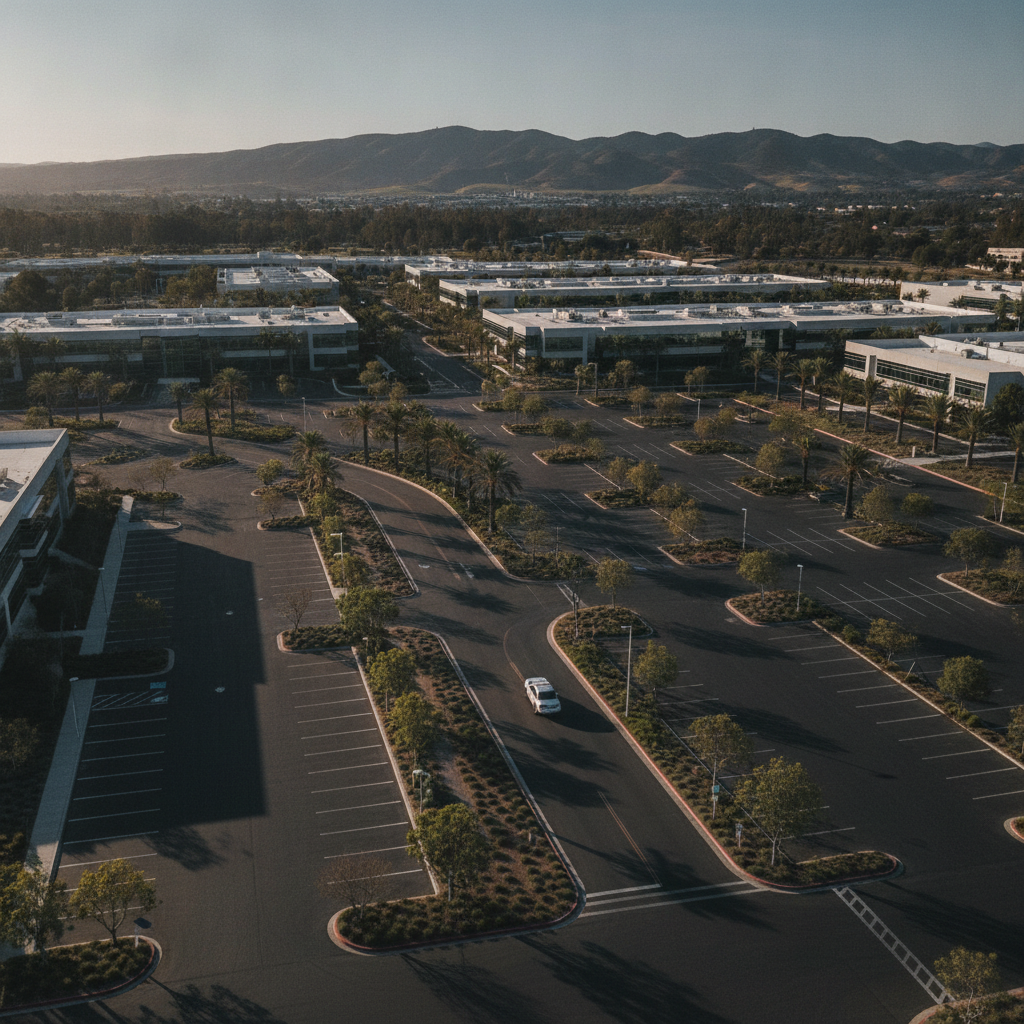
Complexity shows up in the number of officers required at once, the training and briefing they need to work your specific site, and the equipment involved, such as marked vehicles for large properties. Cost varies with how much ground, how many access points, and how much documentation your property requires. An industrial security yard with rail and truck access carries a different complexity profile than a small commercial office suite, and the quote reflects it. The same holds whether the property sits in our Ventura County base or under our security coverage across Orange County: the complexity of the site, not its zip code, is what shapes the number.
Standing Guard vs Mobile Patrol
The coverage model itself moves the price. A dedicated standing guard is continuous labor committed to your property alone, so it carries a higher cost than a mobile patrol that shares an officer’s time across several nearby sites on a route.
Neither is automatically the better deal. A standing guard is worth every hour when a property needs continuous control of a specific point. A mobile patrol service delivers strong, documented deterrence for properties whose risk is spread across time rather than fixed at one entrance. Cost varies with which model fits, and often the most economical answer is a hybrid: a dedicated officer where the risk is concentrated, patrol everywhere else.
Contract Length and Consistency
Ongoing, stable service is generally more efficient to price than one-off or highly variable coverage. A steady schedule lets a company assign consistent officers who learn your property, which improves the quality of the coverage and reduces the churn and retraining that short-notice or constantly changing assignments create.
Short-term and emergency assignments, such as a same-day fire watch or one-night event coverage, are priced differently because they require rapid staffing. Cost varies with the length and predictability of the engagement, and a longer, consistent relationship usually delivers more protection per dollar than a series of scrambles. Specialized needs like fire watch services or one-off event security sit at the short-term end of that spectrum.
How Do You Compare Security Guard Quotes Fairly?
Compare quotes by making sure each one covers the same scope: the coverage hours, the number of officers, armed or unarmed, the coverage model, the licensing and insurance behind the company, and the reporting you receive. The lowest number on paper is not the best value if it buys fewer hours, undertrained officers, or thin insurance that leaves you exposed.
Ask whether the officers are licensed and background checked, whether the company holds a valid California PPO license and proper insurance, how supervision works, and what documentation you will receive after each shift. A company that answers those plainly is showing you what its price actually buys. You can verify any California patrol company’s license directly through the California Bureau of Security and Investigative Services (BSIS) public lookup before you sign anything.
The Bottom Line
There is no honest one-size price for security, because every property is different. Cost varies with your coverage hours, whether officers are armed or unarmed, the complexity of your site, the coverage model, and the length and consistency of the engagement. The right way to get a real number is to have someone assess your property and build a plan around it.
That assessment is free and carries no obligation, and Americal Patrol charges no setup fees. Americal Patrol has provided licensed security patrol services across Southern California since 1986, and today serves commercial, industrial, and residential clients across our Ventura security guards service area and throughout Ventura, Los Angeles, and Orange Counties. Call us at (805) 515-3834 or request a free security assessment, and we will walk your property, identify the risks, and give you a straight, itemized recommendation built around what your site actually needs.
Frequently Asked Questions
How much does security guard service cost?
There is no flat rate. Security guard service cost depends on your coverage hours, whether officers are armed or unarmed, your site's complexity, the coverage model, and the length of the engagement. Americal Patrol quotes only after a free on-site assessment so the number reflects your actual property.
Is mobile patrol cheaper than a standing guard?
Usually, yes, because a mobile patrol officer shares time across several nearby sites while a standing guard is continuous labor committed to one property. The cheaper option is not always the right one, though. The best value comes from matching the model to where your risk actually sits.
Why do armed guards cost more than unarmed guards?
Armed assignments require additional state licensing, more training and requalification, tighter supervision, and higher insurance, and those costs are built into the price. For most properties, unarmed officers are both the correct choice and the more economical one.
Are there setup or onboarding fees for security guard service?
Americal Patrol charges no setup fees, and the initial property assessment is free with no obligation. Your quote is built from the coverage your site actually needs, not from a rate card or a hidden onboarding charge.
How do I compare security guard quotes fairly?
Make sure each quote covers the same scope: coverage hours, number of officers, armed or unarmed, coverage model, licensing and insurance, and reporting. The lowest number is not the best value if it buys fewer hours, undertrained officers, or thin insurance that leaves you exposed.
Does a longer contract lower the cost of security service?
Consistent, ongoing service is generally more efficient to staff and price than one-off or constantly changing coverage, because a steady schedule lets a company assign officers who learn your property. Short-notice and emergency assignments cost more because they require rapid staffing.
Is Americal Patrol licensed and insured?
Yes. Americal Patrol operates under California BSIS PPO License #9557 and carries general liability and workers' compensation coverage. You can verify the license through the BSIS public lookup, and a certificate of insurance is available on request during contracting.
How do I get a real price for my property?
The reliable way is a free on-site assessment. Call Americal Patrol at (805) 515-3834 or request an assessment online. An operations team member walks your property, maps your exposure by time and location, and returns a straight, itemized recommendation with transparent pricing.